
Electric vs Nitro RC Cars Overview: The Core Difference
Electric RC cars use rechargeable batteries and electric motors, while nitro RC cars use small internal combustion engines powered by a blend of nitromethane, methanol and lubricating oil. Electric models offer quiet, low-maintenance performance, whereas nitro models deliver a more immersive, hands-on experience with authentic engine sound and smell.
What Are Electric RC Cars?
Electric RC cars run on LiPo or NiMH batteries and use brushed or brushless motors. Modern brushless systems in particular deliver explosive instant torque and smooth, consistent acceleration that makes them a favourite with beginners and experienced racers alike.
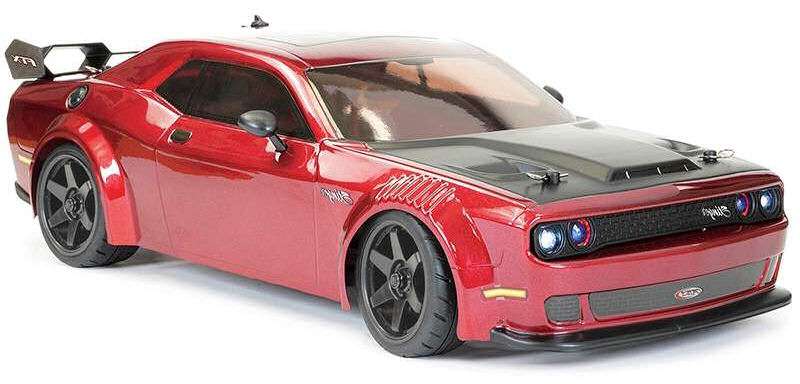
Key advantages:
- Beginner-friendly: charge and drive with minimal setup
- Quiet operation: ideal for parks, gardens and residential areas
- Low maintenance: no tuning, no fuel, fewer moving parts
- Environmentally cleaner: zero exhaust emissions
Things to consider:
- Run times are limited by battery capacity, though carrying spare packs helps
- LiPo batteries require careful charging and storage
- Brushless systems cost more but dramatically boost performance
What Are Nitro RC Cars?
Nitro RC cars use a miniature two-stroke combustion engine powered by a specialist fuel blend of nitromethane, methanol and oil. They’re loved for their authentic engine note, exhaust smell and the hands-on experience of keeping them running at their best.
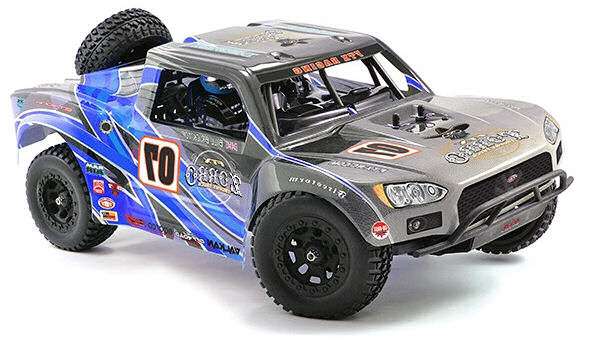
Things to consider:
- Higher maintenance: regular tuning, air filter cleaning and after-run oil are essential
- Louder operation: not suited to noise-sensitive areas
- More skill required: starting, breaking in and tuning takes practice
- Ongoing fuel costs compared to simply recharging a battery
Key advantages:
- Longer run times: refuel in seconds and keep driving
- Realistic engine sound and smell: a favourite among traditional RC racers
- Hands-on mechanical experience: tuning and engine care is part of the appeal
Electric vs Nitro RC Cars: Performance Comparison
Speed:
Electric: Fast, with explosive instant torque. High-end brushless models can exceed 60mph.
Nitro: Builds power through the rev range. Comparable top speeds but requires more tuning to get there.
Noise:
Electric: Quiet — ideal for parks, gardens and residential areas.
Nitro: Loud, with an authentic engine sound that many enthusiasts love.
Maintenance:
Electric: Low — minimal upkeep, no tuning required.
Nitro: High — regular tuning, air filter cleaning and after-run oil are all part of the routine.
Run Time:
Electric: Typically 15-40 minutes per battery pack. Carry spares to extend your session.
Nitro: Longer overall run times — just refuel in seconds and keep going.
Ease of Use:
Electric: Very easy — charge and drive with minimal setup.
Nitro: Requires more skill — starting, breaking in and tuning all take practice.
Cost:
Electric: Lower entry cost and cheaper to run long term.
Nitro: Higher initial investment plus ongoing fuel costs.
Which One Should You Choose?
Choose electric if you want:
- A beginner-friendly experience
- Quiet running for parks or home use
- Minimal maintenance
- Instant acceleration and consistent performance
- Lower long-term running costs
Electric is ideal for first-time drivers, younger hobbyists, casual users and anyone who wants to get straight out and drive!
Choose nitro if you want:
- An authentic engine experience with real sound and smell
- Long run times with quick refuelling
- A hands-on hobby with tuning and mechanical involvement
- The full sensory experience of a combustion engine
Nitro is perfect for enthusiasts, racers and hobbyists who enjoy the mechanical side of the hobby as much as the driving itself!
Final Verdict
The electric vs nitro RC cars debate doesn’t have a definitive winner. The right choice comes down to your driving style, environment and how much time you want to spend on maintenance. Electric gives you convenience and instant fun. Nitro gives you realism, character and raw mechanical involvement.
Not sure which is right for you? Pop into Cleveland Models in Middlesbrough and we’ll be happy to point you in the right direction.